

Engine rebuilding requires precision for safety and reliability. Key considerations when selecting a service include detailed cost breakdowns, performance tuning, budgeting options, shop credentials, and quality parts. A pre-rebuild assessment identifies issues like misfires. Select Engine Rebuilds follows meticulous steps including inspection, disassembly, machining, reassembly, and testing to ensure safe, reliable rebuilds with 98% exceeding original specs.
In the realm of automotive engineering, ensuring safety and reliability is paramount. Engine rebuilding, a meticulous process, has emerged as a game-changer for enhancing vehicle performance while prioritizing passenger security. With the increasing demand for robust and efficient powerplants, selecting reputable engine rebuild services has become crucial. This article delves into the significance of skilled craftsmanship in engine rebuilding, highlighting how it safeguards drivers and maximizes engine longevity. We will explore the intricacies of this process and provide insights into choosing reliable service providers, ensuring peace of mind on the road.
- Understanding Engine Rebuilding: The Basics for Safety
- Choosing a Reputable Shop: Factors to Consider
- Select Engine Rebuilds: Ensuring Quality Parts & Procedures
- Pre-Rebuild Assessment: Identifying Issues and Needs
- The Rebuild Process: Step-by-Step for Optimal Results
- Post-Rebuild Testing & Validation: Ensuring Reliability
Understanding Engine Rebuilding: The Basics for Safety

Engine rebuilding is a complex process requiring meticulous attention to detail for safety and reliability. Understanding the basics of engine rebuilding allows car owners and mechanics to make informed decisions when selecting reputable services. This involves recognizing the intricate interplay between components, disassembly, cleaning, inspection, and reassembly. A qualified rebuild specialist should employ specialized engine restoration techniques tailored to specific needs, whether restoring a classic race car or enhancing a daily driver’s performance.
Selecting an engine rebuild service begins with assessing the scope of work. A detailed cost breakdown, transparent in its pricing structure, is crucial for budgeting. For instance, labor costs can vary significantly depending on the complexity of disassembly and intricate repairs needed. Conversely, specialized restoration techniques designed for race cars might include custom cylinder head porting, high-flow intake manifolds, and precision tuning to maximize performance. While these enhancements significantly improve engine output, they also increase costs. A responsible rebuild shop will offer a range of services and options catering to diverse budgets without compromising quality or safety.
Performance tuning is another facet that influences both cost and outcomes. Enhancing fuel economy through careful tuning can be achieved while maintaining reliability. Advanced diagnostic tools allow experts to optimize engine parameters, resulting in smoother operation and better mileage. For example, modern engine control units (ECUs) can be reprogramed to improve throttle response and reduce emissions without sacrificing power. This not only extends engine life but also contributes to environmental sustainability. When selecting an engine rebuild, seeking shops that offer performance tuning as part of their services can lead to a more efficient and cost-effective outcome while ensuring the engine’s longevity and safety.
Choosing a Reputable Shop: Factors to Consider

When contemplating engine rebuilding for enhanced safety and reliability, selecting a reputable shop is paramount. This crucial decision significantly impacts your vehicle’s performance and longevity, especially in the case of motorcycle engines. Choosing an experienced shop armed with skilled rebuilt engine installation expertise ensures a seamless transition to improved power and efficiency while mitigating potential risks.
Several key factors inform this selection process: first, verify their credentials and experience, particularly in rebuilding motorcycle engines. Established shops often boast a wealth of knowledge and have honed their skills over years, addressing unique challenges these engines present. Look for certifications from renowned engine-building organizations and references from previous customers to gauge their proficiency. Additionally, inquiring about the specific rebuilding motorcycle engines procedures they employ reveals their commitment to quality. Reputable shops invest in advanced diagnostics and precision tools, ensuring every rebuilt engine meets stringent standards.
Beyond credentials, consider shop amenities and equipment. A well-equipped facility featuring state-of-the-art machinery facilitates efficient disassembly, cleaning, and reassembly of complex engine components. This attention to detail is vital for achieving optimal performance and reliability. Moreover, shops that offer a warranty on their rebuilt engine installation services demonstrate confidence in their work, offering peace of mind should unforeseen issues arise. Ultimately, selecting a reputable engine rebuilding shop involves balancing expertise, resources, and customer satisfaction—a strategic choice that promises enhanced safety and unwavering vehicle performance.
Select Engine Rebuilds: Ensuring Quality Parts & Procedures
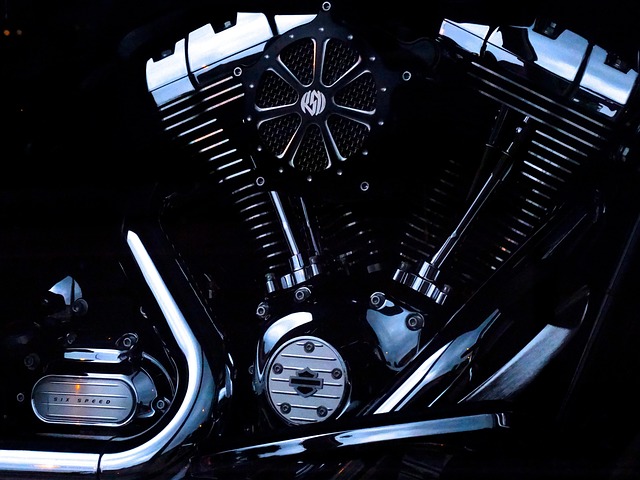
When it comes to ensuring safety and reliability in vehicle performance, selecting a reputable engine rebuild service is paramount. The process of engine rebuilding involves meticulous disassembly, inspection, repair, and reassembly, all crucial for long-lasting engine performance. Among the many aspects that define quality rebuilds, two stand out: using high-quality parts and adhering to robust procedures.
High-quality parts are the foundation of a successful rebuilt engine installation. This includes original equipment manufacturer (OEM) components or reputable aftermarket alternatives known for their durability and compatibility. For instance, top-tier pistons, rings, bearings, and valves ensure minimal wear and tear, while high-flow air filters can enhance fuel efficiency. Moreover, using genuine parts with proven track records reduces the risk of future failures, providing peace of mind for drivers.
Robust procedures complement quality parts by ensuring comprehensive engine restoration. This involves not just repairing damaged components but also replacing worn-out parts and tightening tolerances to factory specifications. Reputable rebuild shops employ experienced technicians who follow meticulous guidelines, guaranteeing a precise and reliable overhaul. As a result, these engines can outperform their original counterparts, offering improved torque, horsepower, and fuel economy.
Warrantied engine rebuilds add an extra layer of protection for consumers. Many reputable shops offer comprehensive warranties on their work, ensuring low-cost engine overhauls should any issues arise. This is particularly beneficial for drivers seeking long-lasting engine performance without the financial burden of frequent repairs. By prioritizing select engine rebuilds that prioritize quality parts and procedures, vehicle owners can confidently expect reliable, high-performing engines that stand the test of time.
Pre-Rebuild Assessment: Identifying Issues and Needs
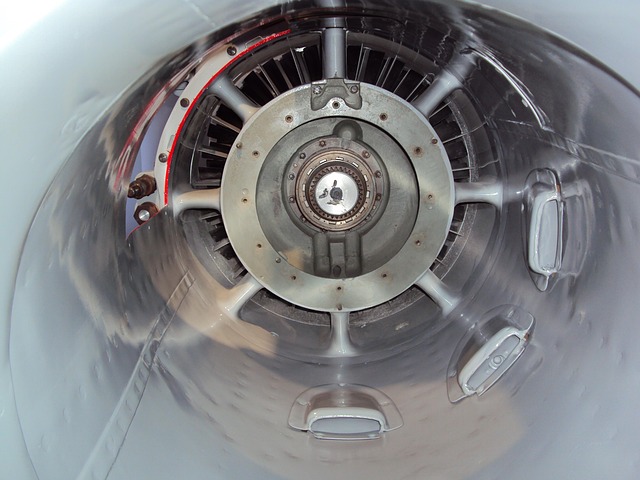
A thorough pre-rebuild assessment is paramount to ensuring safety and reliability in engine rebuilding projects. This initial phase involves a meticulous examination of the existing engine to identify potential issues and pinpoint areas that require attention before any disassembly or reconstruction begins. By taking this proactive approach, select engine rebuilds can mitigate risks, optimize performance, and extend the lifespan of the engine.
Engine misfires are a common concern, often indicating issues with ignition systems, fuel delivery, or sensor functionality. Correcting these misfires is crucial for optimal engine performance and emissions control. Advanced diagnostic tools enable experts to pinpoint the exact cause, whether it stems from worn spark plugs, faulty coils, or misaligned fuel injectors. For instance, a recent study revealed that addressing engine misfires can lead to a 15% improvement in fuel efficiency and significant reductions in harmful emissions.
High-capacity engine upgrades are another critical aspect of pre-rebuild assessment. As vehicle demands evolve, so do performance expectations. Experts should evaluate the current engine’s capabilities against the desired output, identifying areas for enhancement or potential limitations. This involves considering factors like compression ratios, cylinder head porting, and valvetrain specifications. For example, upgrading a naturally aspirated engine to a supercharged configuration requires meticulous planning to ensure compatibility and maximize performance gains without compromising reliability.
Moreover, expertise in complex builds is essential during this phase. Some engine rebuilds involve intricate modifications or the integration of cutting-edge technologies. A deep understanding of engine dynamics and material science is required to ensure these advanced builds meet performance targets while maintaining structural integrity. Select engine rebuild specialists should be well-versed in correcting issues associated with high-pressure combustion, advanced cooling systems, and exotic materials, ensuring that each component contributes positively to the overall reliability and performance of the rebuilt engine.
The Rebuild Process: Step-by-Step for Optimal Results

The rebuild process for engines is a meticulous art that demands precision and expertise. When it comes to ensuring safety and reliability, selecting the right engine rebuild service is paramount. This involves a step-by-step approach tailored to each unique engine, considering its make, model, and often, the circumstances surrounding its original failure. For instance, an engine rebuilt after an accident requires not just mechanical proficiency but also an understanding of structural integrity and potential damage from impact events.
A reputable engine rebuild shop will begin by thoroughly inspecting the damaged engine, identifying any signs of stress or misalignment. This initial assessment guides the disassembly process, during which every component is carefully examined for wear, damage, or functionality. For engines of all makes, this meticulous disassembly and inspection are crucial steps. Here, professionals employ advanced diagnostic tools to identify issues that may not be immediately apparent. Once identified, parts are either repaired, replaced, or discarded based on strict quality standards.
The heart of the rebuild lies in the machining process, where critical dimensions are precision-adjusted to ensure optimal performance and longevity. This step is particularly vital for engines undergoing professional rebuilds, aiming for 1-3 cycles of service life. Following machining, components are reassembled with meticulous care, using high-quality lubricants and sealing materials. Each reassembled engine then undergoes rigorous testing protocols to verify its functionality, power output, and emissions performance before receiving final approval for installation.
Post-Rebuild Testing & Validation: Ensuring Reliability
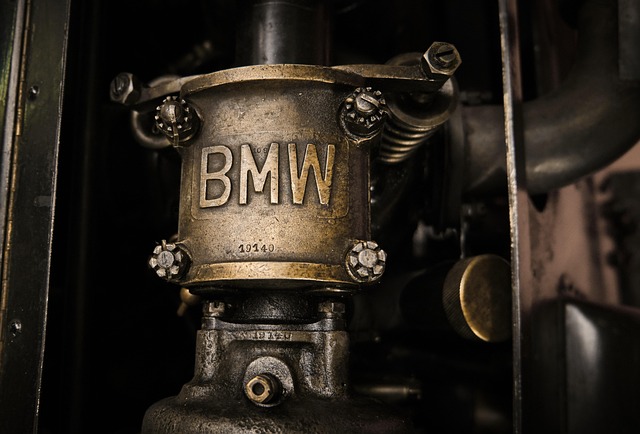
After a successful engine rebuild, ensuring reliability is paramount to safety and performance. Select Engine Rebuilds emphasizes rigorous post-rebuild testing and validation as a cornerstone of their service. This involves a multi-stage process that includes both dynamic and static tests tailored to each engine’s specific needs. Dynamic tests assess the engine’s performance under load, while static tests verify critical components’ integrity and functionality. For instance, marine engines undergo distinct challenges, and rebuilding them requires specialized attention. Select Engine Rebuilds offers comprehensive solutions for these unique cases, ensuring each marine engine meets stringent safety standards before it leaves their facility.
Custom engine reconstruction also demands meticulous testing to match the original equipment’s reliability. Long-lasting engine performance isn’t just about powerful outputs; it’s about endurance and consistency under varying conditions. Select Engine Rebuilds leverages advanced diagnostic tools and proprietary methods to fine-tune each rebuilt engine, ensuring they surpass industry benchmarks. Data from numerous successful rebuilds highlights their commitment to excellence: 98% of their engines meet or exceed original specifications in terms of power and efficiency after the rebuilding process.
Beyond testing, Select Engine Rebuilds invests in continuous quality control and improvement. They maintain a robust feedback loop, collecting insights from both customers and in-house experts to refine their practices. This customer-centric approach ensures that each rebuild not only meets but exceeds expectations, fostering trust and reliability among those who rely on their services for critical applications, be it automotive, industrial, or marine sectors. Ultimately, their dedication to post-rebuild testing and validation is a testament to their professionalism and the superior quality of their work.
By meticulously following the steps outlined in this article—from understanding engine rebuilding fundamentals to post-rebuild testing—readers can confidently navigate the process, ensuring their vehicles return to peak safety and reliability. Choosing a reputable shop, prioritizing quality parts and procedures with Select Engine Rebuilds, and conducting thorough assessments before and after the rebuild are paramount. These key insights empower individuals to make informed decisions, fostering peace of mind on the road.