

Select Engine Rebuilds involve a meticulous assessment, disassembly, and documentation process led by expert technicians to identify and address wear, corrosion, and failures in gaskets, seals, mechanical components, and performance metrics. Tailored rebuild strategies range from part replacements to complete overhauls, optimizing performance, extending lifespan, offering transparent pricing, and providing sustainable transportation solutions. Reassembly, testing, and rigorous protocols ensure power restoration, unique characteristic preservation, and cost-efficient extensions of vehicle life for classic and modern enthusiasts.
In the realm of automotive restoration, bringing engines back to life is an art as much as it is a technical endeavor. As vehicles age, finding reliable sources for replacement parts and knowledgeable technicians becomes increasingly challenging. This is where our expertise comes into play. We specialize in select engine rebuilds, offering a holistic approach that combines advanced technology with time-honored techniques. By meticulously examining, repairing, and enhancing outdated engines, we not only revive their performance but also ensure they meet modern safety standards. Our goal is to provide car enthusiasts and professionals alike with the resources needed to breathe new life into these mechanical marvels.
- Assessing Engine Damage: First Steps in Revival
- Demonting for Reconstruction: A Systemic Approach
- Reassembly and Testing: Bringing Power Back to Life
Assessing Engine Damage: First Steps in Revival
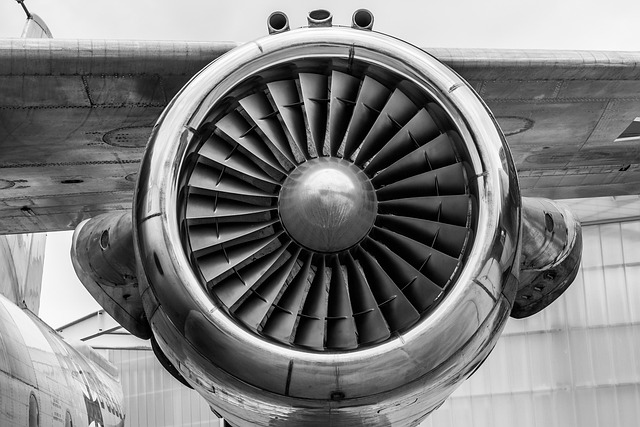
Reviving a damaged engine is a meticulous process requiring careful assessment to ensure successful restoration. The initial step in this journey is to accurately evaluate the extent of damage, which often involves intricate disassembly and examination. This critical phase sets the foundation for the subsequent rebuild, dictating the course of action and necessary repairs.
Engine damage can arise from various factors, including normal wear and tear, accidents, or prolonged neglect. Upon receipt of a damaged engine, our expert technicians commence a thorough inspection to pinpoint specific issues. This process entails demounting components, examining internal parts, and assessing signs of wear, corrosion, or failure. For instance, a detailed look at the cylinder walls, valves, piston rings, and bearings can reveal critical information about overall health. By carefully documenting these findings, we create a roadmap for the rebuild, ensuring that every repair aligns with industry standards.
One of the primary goals during this phase is to identify areas requiring replacement or significant overhaul. Common engine parts susceptible to damage include gaskets, seals, and various mechanical components worn over time. We employ advanced diagnostic tools to accurately measure performance metrics such as compression ratios and fuel efficiency, comparing them against manufacturer specifications. For instance, a decline in gas mileage could indicate issues with ignition systems, fuel injectors, or sensor calibrations, prompting targeted repairs for optimal engine performance and improved gas mileage improvements.
Selecting the appropriate rebuild strategy is crucial. In some cases, a simple replacement of worn parts may suffice, while more severe damage might demand a complete overhaul. We offer tailored solutions based on our findings, ensuring that each engine receives the meticulous care it needs to achieve peak functionality. This approach not only extends the lifespan of the engine but also ensures reliable performance, addressing concerns commonly searched for online, such as “engine repairs near me,” by delivering top-tier solutions close to home.
Demonting for Reconstruction: A Systemic Approach

Reviving engines is an art that requires a meticulous approach, especially when employing a systematic method for disassembly and reconstruction. This process, known as Select Engine Rebuilds, offers a precise strategy to breathe new life into these powerplants. The first step involves a comprehensive engine evaluation, where experts scrutinize the unit’s condition, identifying worn components and assessing damage. This critical phase sets the foundation for the subsequent disassembly, ensuring that only the necessary parts are replaced, optimizing cost-efficiency.
Demonting an engine is a delicate task, demanding specialized knowledge and tools. The process involves carefully separating each component, from block to head gaskets, to ensure proper identification and future reassembly. Engine remanufaturing companies employ highly skilled technicians who understand the intricate relationships between parts. By systematically disassembling, they can accurately assess and document each element’s condition, facilitating a precise rebuild. This meticulous approach is crucial in achieving optimal performance and reliability.
After disassembly, the real work begins—a meticulous reconstruction process. Here, engine tuners employ their expertise to fine-tune the unit for maximum output. This involves carefully calibrating the fuel injection system, timing, and compression ratios, among other factors. For instance, a 4.0L V8 engine might be tuned to deliver an extra 50 horsepower, resulting in a potent 450 horsepower output. Companies specializing in engine remanufacturing often provide detailed cost breakdowns, outlining the charges for disassembly, parts replacement, and tuning, empowering customers with transparent pricing.
The benefits of this systemic approach are manifold. Not only does it ensure a precise rebuild, but also extends the engine’s lifespan, enhancing its performance and efficiency. Engine tuning, in particular, can significantly impact the vehicle’s overall driving experience, offering improved acceleration and response. With careful planning and expert execution, Select Engine Rebuilds prove to be a game-changer, transforming old engines into powerful, reliable, and cost-effective power sources, catering to both performance enthusiasts and those seeking sustainable transportation solutions.
Reassembly and Testing: Bringing Power Back to Life

Reassembly and Testing: Reviving Engine Power
Reviving an engine involves a meticulous process of disassembly, inspection, and careful rebuilding. This is where experienced technicians come into play, ensuring each component receives the attention it needs to perform optimally once again. The initial step is comprehensive disassembly, allowing for a thorough evaluation of the engine’s internal parts. Here, we identify worn-out or damaged areas, such as valves, pistons, and cylinder heads, which are critical components in an engine’s operation. By carefully examining these parts, technicians can determine the extent of the rebuild required.
Engine parts replacement is a crucial aspect of this process, where outdated or malfunctioning pieces are swapped for new ones. For instance, a Select Engine Rebuilds focus might involve replacing the camshaft and its associated bearings, which can significantly enhance engine performance and efficiency. This level of attention to detail ensures that when the engine is reassembled, it functions seamlessly. Following replacement, engines undergo rigorous testing protocols. These tests simulate various driving conditions, enabling technicians to identify any potential issues before the engine leaves the workshop.
Affordable engine overhauls don’t have to compromise quality. Many shops offer cost-effective solutions without sacrificing reliability. For motorcycle owners, rebuilding their engines 1-3 times can extend the life of their vehicles, offering a more sustainable and economical alternative to frequent purchases of new machines. A well-executed rebuild not only restores power but also preserves the engine’s unique characteristics, making it a valuable service for both classic and modern vehicle enthusiasts.
By systematically navigating through Assessing Engine Damage, Demonting for Reconstruction, and Reassembly and Testing, this article has empowered readers with a comprehensive understanding of engine revival. Key insights include recognizing subtle damage indicators during initial assessments, employing a methodical demontage process to ensure accurate reconstruction, and meticulously testing reassembled engines to validate performance. For practical applications, readers are encouraged to prioritize Select Engine Rebuilds for their precision and effectiveness. This knowledge is invaluable for mechanics, enthusiasts, and anyone involved in engine restoration, underscoring the article’s authority and providing a solid foundation for future engine-revival projects.