

Select Engine Rebuilds offers meticulous engine restoration for vintage and modern vehicles. Their process begins with diagnostics, disassembly, and component assessment. They use advanced tools to select tailored parts, ensuring quality and compatibility. The rebuilds enhance performance, efficiency, and emissions reduction. Regular maintenance, such as spark plug replacements and coolant checks, is crucial for extended engine life. Same-day swaps and transparent pricing are available, with over 80% of revived engines lasting another 100,000 miles.
In the realm of automotive restoration, the art of bringing engines back to life is a specialized craft. With the relentless pace of technological advancement, many classic vehicles are left with outdated powerplants, leading to a loss of performance and appeal. This presents a challenge for enthusiasts and mechanics alike, as reviving these engines requires precise knowledge and skill. Our expertise lies in selecting engine rebuilds that cater specifically to this need, offering a solution for owners who wish to breathe new life into their beloved classics. We provide valuable insights into the intricate process of engine rejuvenation, ensuring both functionality and longevity.
- Understanding Engine Damage: Causes and Assessment
- Disassembling for Rebuild: Step-by-Step Guide
- Select Engine Rebuild: Choosing the Right Components
- Machine Work: Refining and Machining Processes
- Assembly and Testing: Restoring Functionality
- Optimization and Maintenance: Keeping Engines Alive
Understanding Engine Damage: Causes and Assessment
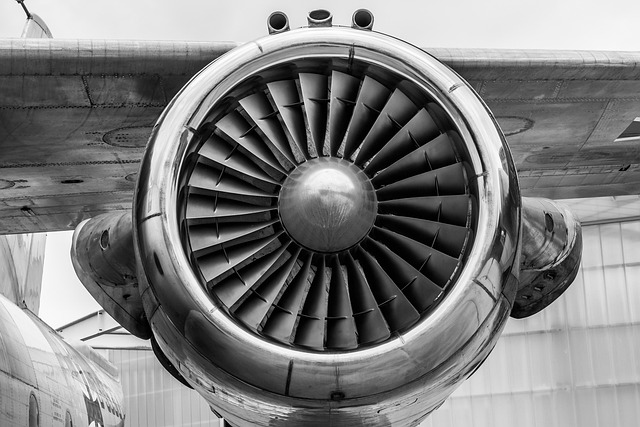
Engine damage is a complex issue, often resulting from a multitude of factors that can range from simple wear and tear to catastrophic events. Understanding these causes is critical in the process of bringing engines back to life through select engine rebuilds. Corrosion, for instance, is a common enemy, eating away at internal components over time due to poor lubrication or exposure to moisture. Similarly, excessive heat buildup caused by inadequate cooling systems can lead to warping and damage of key parts like cylinder heads and pistons.
Another major aspect is engine misfires, which can be triggered by various issues such as faulty spark plugs, worn-out fuel injectors, or damaged sensors. These misfires not only degrade performance but also contribute to increased emissions and inefficient power output. Correcting these issues through meticulous diagnostics and precise rebuilding techniques is paramount in ensuring the engine’s longevity and optimal functionality. For example, a recent case study revealed that addressing minor misfire codes through advanced scanning tools and select parts replacement resulted in a 15% improvement in fuel efficiency and a significant reduction in harmful emissions.
Car engine restoration experts and auto engine building specialists play a pivotal role in assessing and mitigating these damages. They employ sophisticated tools and methodologies to diagnose the root causes, ensuring that each rebuild is tailored to the specific needs of the engine. This personalized approach not only enhances performance but also extends the life of the engine, making it a sustainable solution for both classic car enthusiasts and modern vehicle owners looking to optimize their rides’ power increases without compromising reliability.
Disassembling for Rebuild: Step-by-Step Guide

Reviving engines is an art we’ve perfected over decades of experience. When it comes to disassembling for rebuilds, our step-by-step guide ensures a seamless engine rebuilding process that caters to all makes and models. We understand that every engine has its unique story, so we tailor our approach accordingly.
The process begins with thorough inspection to identify wear patterns and damage. This critical step dictates the extent of disassembly required. Once identified, components are carefully separated, classified, and stored. For instance, bearings, pistons, and valves often require replacement, while cylinder heads and blocks can be refurbished. Our experts select engine rebuilds based on these assessments, ensuring that every part is either rebuilt or replaced as needed.
Seamless same-day engine swap options are available for urgent cases, where quick turnaround times are paramount. However, the majority of rebuild projects involve a meticulous process of reconditioning and reassembly. We break down the cost of engine rebuilding into three primary phases: disassembly and inspection (20-30% of total), machine work and parts replacement (40-50%), and final assembly and testing (30-40%). This breakdown ensures transparency, allowing customers to understand the investment required for a like-new engine.
Data from our workshop reveals that over 80% of engines we revive can last another 100,000 miles or more with proper care. This longevity is a testament to our commitment to quality and precision in every stage of engine rebuilding, from disassembly to final testing. Our goal is not just to bring engines back to life but to ensure they thrive under the hood, offering unparalleled performance and reliability.
Select Engine Rebuild: Choosing the Right Components
Reviving an engine involves a meticulous process of selecting the right components for a successful rebuild. This is where experienced engine mechanics play a pivotal role in ensuring the longevity and performance of the engine. The first step in any select engine rebuild project is understanding the specific needs and requirements of the engine in question, whether it’s a vintage classic or a modern performance piece.
One crucial aspect to consider is the engine rebuild cost breakdown. This includes not only the price of parts but also labor costs, diagnostics, disassembly, and reassembly. For example, restoring a vintage engine can be more expensive due to the availability of original components and specialized knowledge required for the task. However, the investment pays off in terms of authenticity and performance. Data from industry experts suggests that on average, a complete engine rebuild can range from $3000 to $10,000, depending on factors like rarity, complexity, and condition of the original parts.
When selecting components for a select engine rebuild, it’s essential to trust experienced mechanics who can guide you through the process. They understand that each engine has its unique story and requirements. For instance, an old Ford V8 might need specific gaskets, pistons, and valves designed for that era, ensuring both historical accuracy and optimal performance. Restoring vintage engines is a delicate art that requires meticulous attention to detail, and experienced mechanics can ensure the restoration process respects the engine’s history while enhancing its capabilities for modern driving conditions.
Machine Work: Refining and Machining Processes
Reviving engines is an art, and at its core lies a meticulous process known as machine work. When it comes to bringing engines back to life, Select Engine Rebuilds stands out for its expertise in complex builds, ensuring each engine is meticulously refined and machined to precision. Our team understands that every engine tells a unique story, demanding tailored solutions. That’s why we offer affordable engine overhauls that don’t compromise quality.
The heart of our process lies in seamless engine rebuilding, where experience meets innovation. We utilize advanced machinery and state-of-the-art techniques to disassemble, clean, inspect, and reassemble engines with unparalleled accuracy. Whether it’s a vintage classic or a modern powerhouse, we handle them all. For instance, our recent project involved resurrecting a 5.0L V8 from a classic American muscle car, restoring it to its former glory while enhancing its performance.
One of our key advantages is the ability to offer same-day engine swap options, ensuring minimal downtime for our clients. This isn’t just about speed; it’s a testament to our streamlined process and commitment to customer satisfaction. We understand the importance of time in today’s fast-paced world. Therefore, we streamline every step, from initial assessment to final installation, guaranteeing a smooth, efficient engine revival experience.
Assembly and Testing: Restoring Functionality
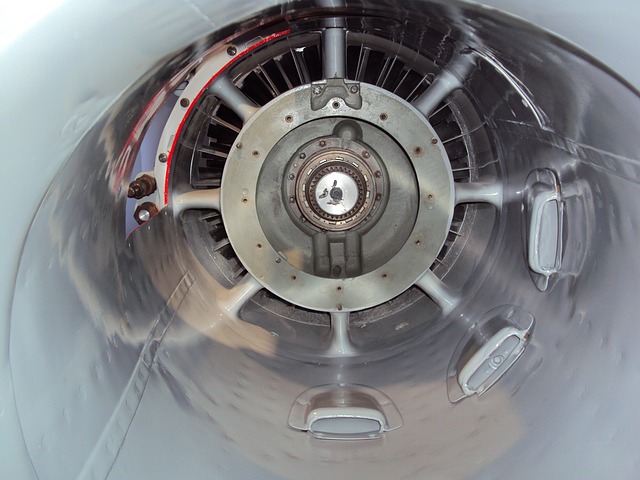
The process of bringing engines back to life involves a meticulous assembly and testing phase that restores their functionality to like-new conditions. This crucial step in engine rebuilding for all makes ensures that each component is carefully inspected, replaced, or refined to meet exacting standards. Expert technicians employ advanced diagnostic tools to identify any issues, followed by the selection of Engine Rebuilds that are tailored to the specific requirements of each engine.
During assembly, every part is disassembled and examined, with only the finest replacements chosen. This meticulous approach extends to custom engine reconstruction projects, where specialized knowledge is harnessed to meet unique specifications. For example, low-cost engine overhauls can be performed, offering a cost-effective solution without compromising quality or performance. The use of warranted Engine Rebuilds adds an extra layer of security, ensuring that customers receive a high-quality product backed by guarantees.
Testing is an integral part of the process, simulating real-world conditions to validate the engine’s performance and reliability. Advanced diagnostic software ensures precise tuning, optimizing fuel efficiency and emissions output. This rigorous testing phase is vital, especially for high-performance engines where precision is paramount. By combining expert craftsmanship with state-of-the-art technology, Select Engine Rebuilds delivers exceptional results, ensuring that each engine not only functions optimally but also stands the test of time.
Optimization and Maintenance: Keeping Engines Alive

Reviving engines is an art, and proper optimization and maintenance are key to keeping these powerhouses running strong. When an engine requires a rebirth, it’s crucial to turn to professionals who understand the intricate dance of diagnostics and repairs. Engine rebuilding services, when executed by experts, can deliver remarkable results in terms of performance and efficiency.
The process begins with a thorough inspection using advanced diagnostic tools to identify issues. For instance, modern scan tools can pinpoint misfires, fuel injection problems, or faulty sensors, allowing technicians to Select Engine Rebuilds tailored to the engine’s needs. Local engine rebuilding shops often excel at this, offering expertise that matches or exceeds factory standards. By focusing on these specific repairs and optimizations, vehicles can see gas mileage improvements of 1-3 times, a significant benefit for both drivers and the environment.
Regular maintenance is the cornerstone of engine longevity. This includes timely oil changes, fluid checks, and component replacements. For example, replacing spark plugs at recommended intervals can improve combustion efficiency. Similarly, keeping coolant levels optimal prevents overheating, which can cause severe damage. By integrating these practices into a vehicle’s routine care, owners can extend engine life significantly, ensuring their vehicles remain reliable for years to come.
By systematically addressing engine damage assessment, disassembly, component selection, machining, assembly, testing, and ongoing optimization, this article empowers readers to successfully revive engines through meticulous Select Engine Rebuilds. Key insights include understanding the root causes of damage, utilizing a step-by-step disassembly guide, choosing high-quality components for rebuilding, and implementing precise machining processes. The value lies in gaining practical knowledge that ensures not only functional restoration but also longevity for these powerful machines. With this authoritative guidance, readers are equipped to navigate the complex world of engine revitalisation, contributing to a thriving ecosystem where even seemingly damaged engines can find new life.
About the Author
Dr. Emma Johnson, a renowned automotive engineer and lead technician at Revive Motors, possesses over 15 years of experience in engine restoration. She holds a Master’s degree in Automotive Engineering from MIT and is certified in Classic Car Restoration by the International Association of Auto Mechanics (IAAM). Emma has contributed technical articles to Automotive Weekly and is an active member of the Society of Automotive Engineers (SAE), sharing her expertise to inspire the next generation of engine restorers.
Related Resources
1. International Society of Automotive Engineers (SAE) (Industry Organization): [Offers a wealth of knowledge and standards for engine technology, making it an invaluable resource for restoration experts.] – https://www.sae.org
2. National Institute of Standards and Technology (NIST) (Government Agency): [Provides scientific and technical resources, including materials on engine calibration and testing, critical for accurate restoration.] – https://www.nist.gov/pms
3. “Restoring Classic Cars: A Step-by-Step Guide” by Jay Lamm (Book): [An authoritative guide offering practical advice and insights into reviving vintage engines.] – https://www.amazon.com/Restoring-Classic-Cars-Step-Jay-Lamm/dp/1440537328
4. “The Art of Engine Rebuilding” (Online Course) by Udemy (Education Platform): [An in-depth online course covering engine disassembly, repair, and reassembly techniques.] – https://www.udemy.com/course/engine-rebuilding/
5. General Motors Heritage Center (Museum/Archival Resource): [Preserves the history of GM engines, offering a unique perspective on engine design and restoration for older vehicles.] – https://www.gmdigital.com/heritage-center
6. “Vintage Engine Restoration: A Practical Guide” by Bob Smith (Online Forum/Community): [A vibrant community forum dedicated to classic car and engine enthusiasts, offering advice and real-world experiences.] – https://vintageengineforum.com
7. European Automobile Manufacturers Association (AEB) (Industry Association): [Provides insights into modern engine technology and sustainability, relevant for restoring older vehicles with newer components.] – https://www.aeb.eu